When I first heard about autoflowering cannabis and high-cannabidiol (CBD) cannabis, I wasn’t interested in growing it because such plants tend to be hempy, and CBD does not get you stoned. Also, because I noticed that most marijuana seeds companies pushing CBD strains were basically selling hemp seeds, schwag.
But then I was run over by a car and had serious pain. Opiate pain medicines made me feel sick; I researched CBD and used CBD extract to reduce pain. CBD doesn’t make you feel high, it makes you feel lehthargic and depressed, but at lest it gets rid of some pain, and is much less harmful than opiates, ibuprofen, and other pain-killers.
My grower team tested a couple dozen top CBD strains. Some were autoflowering. Five strains had enough CBD to produce mild analgesia without psychoactive effects, but the pain relief was nothing like chemical drugs. Here are ideas to help your decide about growing CBD marijuana…
Although more research needs to be done, CBD so far is proven to reduce pain, seizure disorders, inflammation, PTSD, anxiety, insomnia, appetite loss, and other medical issues.
At high enough doses, its efficacy could be equal to or better than the much more dangerous pharmaceutical or retail drugs it competes with, and CBD has fewer negative side effects.
CBD can be useful in balancing a high-THC marijuana lifestyle. As we discussed in the cannabis addiction article, approximately 1-3 people out of every ten who love cannabis become or are addicted to it. CBD used by itself is useful for reducing cannabis withdrawal effects. CBD when used at the same time as high-THC cannabis may mitigate negative high-THC effects such as anxiety, paranoia, mood swings.
If you’re a pet lover, you’ll be glad to know CBD is very effective for reducing arthritis, pain, seizures, anxiety, and appetite loss in pets.
My experience using CBD extract is that it does reduce pain, but also creates an ugly, dull, tired feeling that lasts a long time and interferes with experiencing recreational effects from high-THC cannabis. Using CBD marijuana, I got a milder version of the ugly feeling. It’s anti-recreational, that’s for sure.
There are several general types of CBD marijuana. One type are plants that have almost all of their cannabinoids as CBD, with zero or very little THC. This type doesn’t provide any fun mind or body effects. For medical effectiveness, buds should be rated as having at least 8% CBD if not a lot more.
Another type is high-CBD, high-THC. These strains usually have at least 8% CBD and 8% THC, although percentages and ratios vary a lot. Some CBD/THC strains have more THC than CBD. Mixed strains will get you a little stoned and also provide CBD medical effects, but CBD effects are not as acute as from strains that are all CBD and no THC. Also, if you want to get stoned, it’s best to use high-THC strains, not mixed CBD-THC strains.
The final type are autoflowering CBD strains. It should be easy to make high-CBD, low-THC strains from autoflowering genetics, because autoflowering genetics include hempy Ruderalis influences that tend towards high CBD production and low THC production. However, my testing and research have shown that connoisseur photoperiod CBD strains produce more CBD than any CBD autoflowering strains.
CBD strains are cultivated the same way you cultivate high-THC strains. If you’re truly curious about growing CBD cannabis, try growing one CBD-THC photoperiod strain, one all-CBD photoperiod strain, and one autoflowering all-CBD strain. Compare the cultivation experience and the effects of each strain.
Everyone on the magazine team is a high-THC grower and consumer. We use cannabis for its psychoactive effects. But we know people who are scared of being too high—they enjoy high-CBD cannabis, especially if the strain has enough THC to provide mild recreational effects.
Cultivators familiar with growing high-THC strains notice CBD strains have way more leaf in the buds, less resin gland density, shorter bloom phases, sturdier branches and stalks, and more resistance to insects and pathogens.
It’s hard to find ethical, skilled marijuana seeds companies. The CBD seeds industry and the autoflowering marijuana industry are rife with marketing lies, but making high-CBD marijuana strains is easier than making high-THC strains, so you have a few good choices, including:
Humboldt Seed Company’s CBD Trifecta.
Quick Kush S1 Feminized, from Cheyenne Mountain Seeds. Giving you as high as 20% CBD with less than 1.5% THC, does well outdoors.
Harle-Tsu: Gives you as much as a 25:1 ratio in favor of CBD.
Harlequin: Precursor to Harle-Tsu, has Sativa genetics that produce some THC, so the ratio of CBD to THC is about 5:3, and you feel mildly stoned, not just CBD effects.
Charlotte’s Web: One of the best-known, earliest marketed CBD strains, high yielding, with a 20:3 CBD dominant ratio.
ACDC: Unlike the legendary rock band of the same name, this strain is sedative, pain-relieving, with a 20:1 CBD/THC ratio.
CBD Charlotte’s Angel, from Dutch Passion. Sativa-influenced but high yielder with rock hard buds and a 15:1 CBD/THC ratio.
CBD MedGom Autoflowering, from CBD Crew. This is a 60-40 strain with CBD around 15% and THC around 12%. Definitely gives some psychoactive effects. Needs 90 days start to finish.
CBD Pupil V1, from Mass Medical Seeds: This strain has multiple phenotypes: a high-CBD/low-THC, a low-CBD, high THC, and a 50-50 ratio. You choose which pheno(s) you like best. The high-THC version is actually a decent Sativa strain with THC as high as 25%.
Pivot Autoflower, from Cheyenne Mountain Seeds. Produces as much as 17% CBD and virtually no THC, 90 days total crop time.
CBD Critical Mass, from CBD Crew, is one of several reliable high-CBD strains from this breeder. This one usually gives you about 9% CBD and 7% THC, so you do get moderately high, but you also get CBD benefits.
Therapeutic CBD extract doses for pain, insomnia, tremors and other medical conditions start at about 30 milligrams per dose. Research on using CBD to mitigate cannabis withdrawal syndrome suggests starting at 400 milligrams per day and scaling up to 800 mg per day.
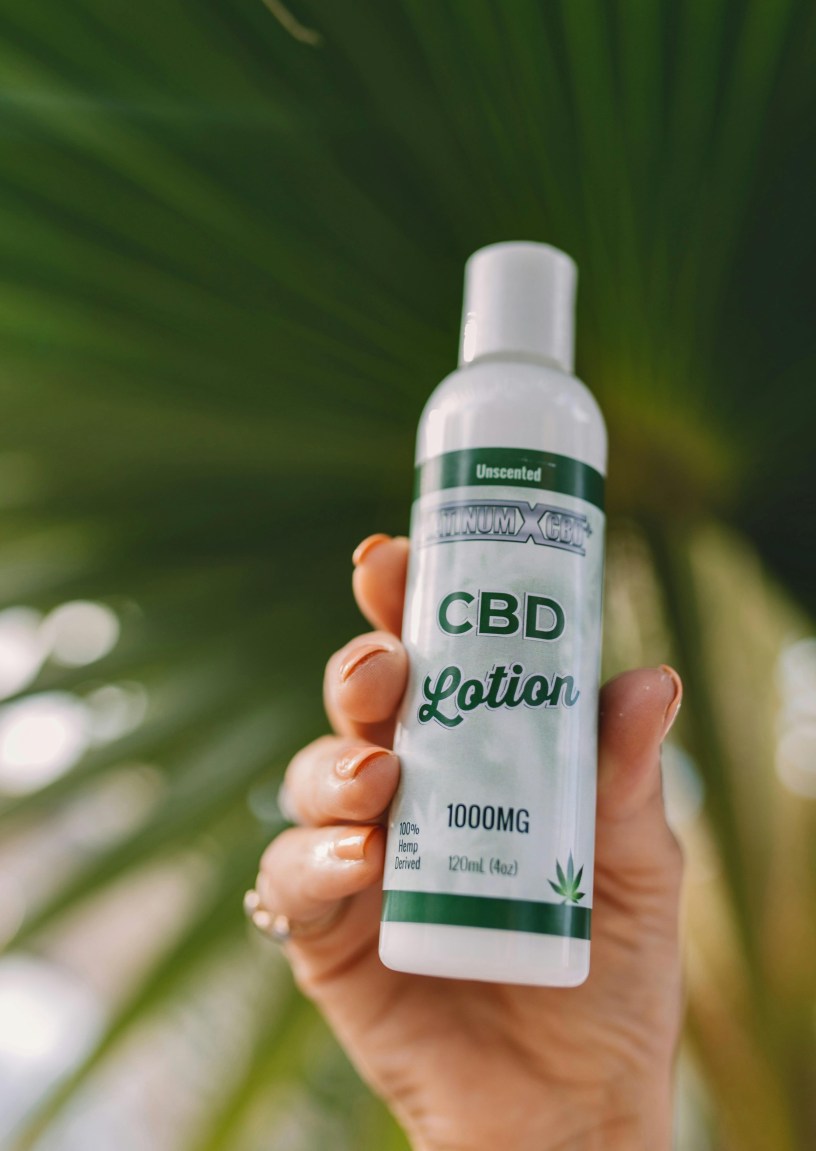
When you look at retail prices for CBD products, you see you’d be spending hundreds if not thousands o dollars per month to get enough CBD extract to make a positive difference in your life.
Even worse, lab analysis shows most retail CBD products don’t have the amount of CBD claimed, are often contaminated with harmful compounds, and are made via chemical extraction from industrial hemp.
In contrast, growing your own CBD costs a lot less, and you’re assured your CBD is pure.
One interesting benefit shown in preliminary research shows is that consuming strains that have equal amounts CBD and THC takes away the paranoia effects some people experience with high-THC strains, and also blocks or slows down development of cannabis addiction.
If you love real marijuana that gets you high, you find high-CBD strains utterly useless and boring. We want an energizing, psychedelic, life-enhancing high from THC-rich photoperiod cannabis, not a hemp “high.” On the other hand, if your goals are pain relief, sleep, sedation and other “medical” uses, or you intend to make extracts or concentrates to give your pet, high-CBD cannabis might be worth it.
 Growing Marijuana Perfectly!