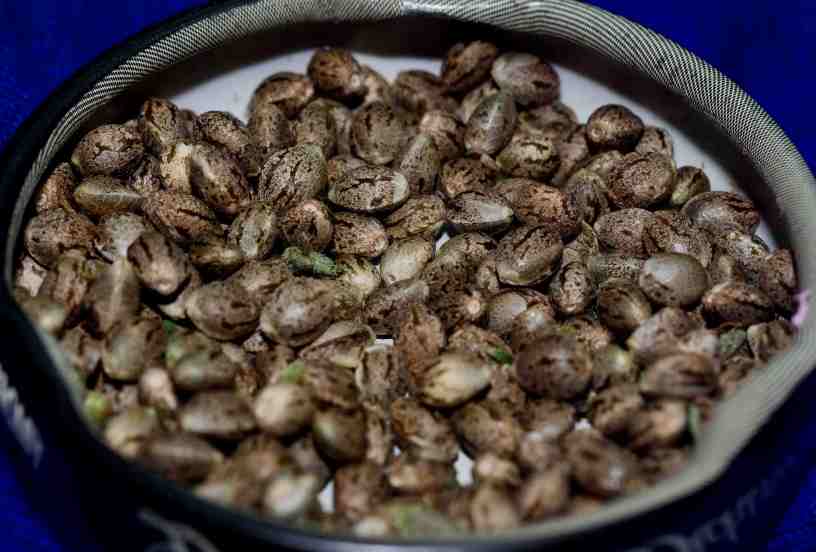
When you’re choosing marijuana seeds to buy, it can seem simple. Just read strain descriptions online, and pick what you like.
But this method often fails, because seed sellers don’t tell the truth about what their seeds and strains really are. You end up with an inferior grow op experience. Now’s the time to understand the generic differences between categories of marijuana seeds and strains.
The first category is seeds that haven’t been bred by a marijuana breeder, just collected from Nature. They’re called landrace or wild race, although some distinguish between the two, saying landrace might have been selectively cultivated by people who themselves are native to where the plants are native, while wild cannabis hasn’t been touched by humans at all.
The main thing is these types are adapted to a specific region, climate, soil type, growing conditions, and are often hard if not impossible to grow indoors or even outdoors away from the original site they were found.
Landrace and wild types haven’t been worked by breeders. They don’t comply to indoor growing protocols of 18 hours veg, 12 hours bloom, with manageable bloom phase durations under 10 weeks. You really never know what will happen when you grow them.
I’ve grown so-called landrace and wild types that never flowered, no matter what light hours I set. Others started flowering automatically, but flowers were thin, lacking resin glands, and never finished.
Many of these types have prominent hermie traits, so even if you get buds, they’re seeded. And genetics with prominent hermie traits are not worth breeding with.
The most common type of marijuana seeds and strains are simple crosses between a male and female of “different strains.” It’s easy to do basic crosses if you have regular seeds and grow males and females at the same time.
Seeds produced from hybrid crosses usually contain all genetic traits of the parents, including traits you didn’t notice in the parents, but that doesn’t mean you’ll see all or even most parental traits in seed plants grown from simple crossing, and they usually are not phenotype or genotype consistent. If you planted ten seeds, you might get ten plants with significant differences in structure, cannabinoids, terpenoids, bloom phase duration.
Some growers appreciate that diversity, looking for a plant that best meets their needs for cloning or breeding, and discarding all or most of the others.
But most growers want seeds that have been perfected enough so the breeder can accurately promise you’ll only get a couple of phenotypes, or only one. Those phenos might have minor variations, but major factors such as bloom phase duration, high, growth traits, and yield will be almost identical.
At the top of the line for quality and reliability are inbred lines (IBL) that have been worked by a professional breeder for five or more generations. When you see an F5 or similar descriptor in a seed promo, that’s what they’re talking about.
But just because something has been bred a long time for many generations doesn’t automatically mean it’s a great strain. Skilled inbred line breeders must carefully observe and analyze all traits of each generation. They’re breeding to enhance some, while eliminating others.
The best breeders always work to eliminate hermie traits, shorten bloom phase, install resistance to pests and diseases, eliminate susceptibility to same, increase potency and yield.
Ancillary breeding goals might focus on enhancing terpenes, increasing resin gland density, ensuring a particular type of high, creating feminized seeds instead of regulars.
IBLs are the most reliable and predictable of marijuana seeds strains. If the breeder is truly professional, they’ll be able to guarantee you exactly what the plants will look, smell, and grow like. They’ll give an accurate, precise description of the high, including body effects.
If the breeder is professional and ethical, you’ll germinate those seeds at 100% germination rate and every plant will look and perform exactly like the breeder promised, and will be almost identical to each other, as if they were clones.
One big problem in the marijuana seeds world is that the vast majority of seeds are simple crosses, and very few are reliable inbred lines.
Along with that, there are at least two dozen scammy companies claiming to sell rare, exotic, landrace, wild marijuana genetics, but we’ve queried all of them and NONE are willing to be interviewed about the sourcing or quality of their genetics.
If a seed seller is confident they have fire strains, they are eager to have Growing Marijuana Perfectly test the strains and promote them here. Our articles get thousands of views and sell a lot of seeds. So we know why some sellers are willing to answer our questions–it’s because they are scammers.
We’ve tested their seeds and reverse engineered what their game is. They get bagseeds and other unauthenticated seeds from skanky sources, then call them whatever they think will sell. “We got these from American military serving in Afghanistan,” one of these scammers claimed on a cultivation forum. “Collected direct from Jamaica, the original Jamaican Lambsbread,” said another.
What this really means is: Some guy gave us seeds and told us a story about them. We’re telling it to you as if it’s true, but we really don’t know for sure. Too bad we haven’t grown out these seeds at all, or enough, and we have no idea how they’ll perform. But we want your money, sucker.
These shady people claiming to have genetics nobody else has refuse to verify their claims. When you grow out the seeds, the resultant plants are a mess. They have problems with germination. Many are hermies. Some are hempy. Others never flower or finish flowering. It’s a grab bag of shite.
When you see cannabis seeds seller saying things like “rare landrace and wild marijuana seeds direct from the jungles of the moon, Thailand, Africa, Colombia, blah blah blah…” avoid them.
Always ask the following questions of a seed seller before you buy seeds. You deserve to know ahead of time what you’re buying.
If sellers refuse to answer honestly some, most, or all of these questions, move on. You can’t trust them. An honest breeder who is legit proud of their strains will answer these questions in a timely, friendly manner. The dishonest ones evade or ignore them. Here are the questions:
- Where did the genetics for this strain come from and how did you acquire them?
- How long did it take to create this strain and what generation is it?
- Did you personally create this strain or did you outsource the breeding?
- Are these seeds sourced from bulk providers? Note: if the answer is yes, avoid.
- How many times have you personally grown and observed this strain?
- How many phenotypes will these seeds produce and what are the traits of each?
- What is the high like, including potency and effects?
- What is the germination rate?
- How resistant or susceptible is the strain to mites, thrips, gray mold, powdery mildew and other common marijuana growing plagues?
- How long is bloom phase?
- How tall or short will plants get and how much will they stretch in the first weeks of bloom phase?
- Are there any hermie traits or unintended autoflowering traits?
- When were these seeds harvested, and do you have a seed guarantee? If so, what is it?
- Are the seeds feminized, autoflower, or regular photoperiod?
Ask these questions. Carefully consider the answers, and the tone of the seed seller. Trust your intuition–if you get a scammy vibe, don’t hand over your money.
As we keep saying here at Growing Marijuana Perfectly, most seed companies suck. Only those who are happy to honestly answer the above questions deserve your money. The rest are rippers, and their seeds at best will give you an unreliable growing experience and mediocre buds.
 Growing Marijuana Perfectly!